
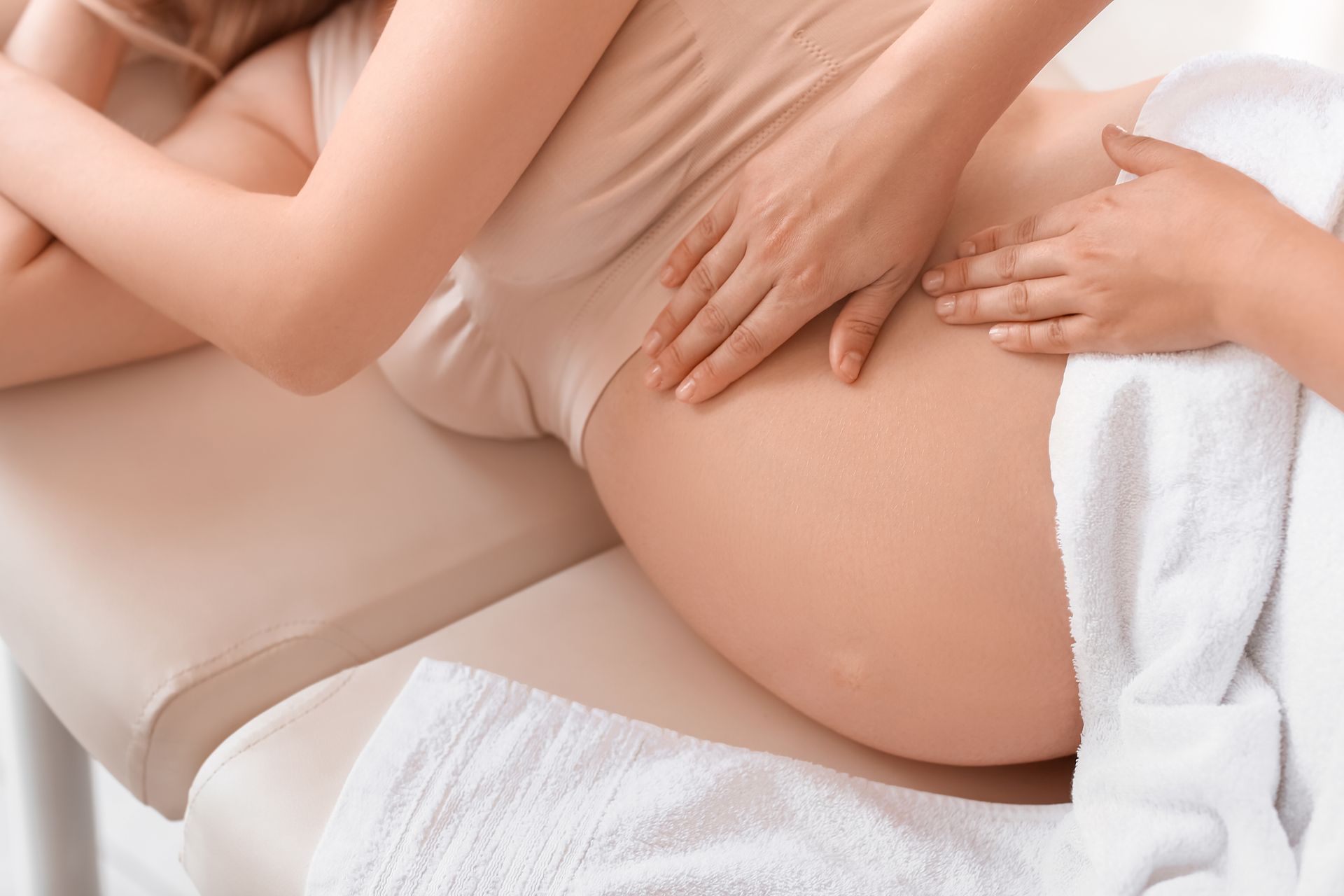
Bodywork Adjusted for Every Pregnancy Stage
Pre/Post Natal Massage in Yakima for back, hip, and pelvic tension during pregnancy and postpartum recovery
Many older homes throughout the Yakima Valley were built with steep interior stairs, narrow hallways, and compact kitchens designed before household layouts accounted for the physical demands of late pregnancy or postpartum recovery. Moving through those spaces while carrying additional weight or recovering from birth places concentrated strain on the lower back, hips, and pelvis in ways that accumulate quickly. DCS Therapeutic Massage provides prenatal and postnatal massage in Yakima, with licensed therapists who adjust positioning, pressure, and session focus to match each client's specific stage and comfort.
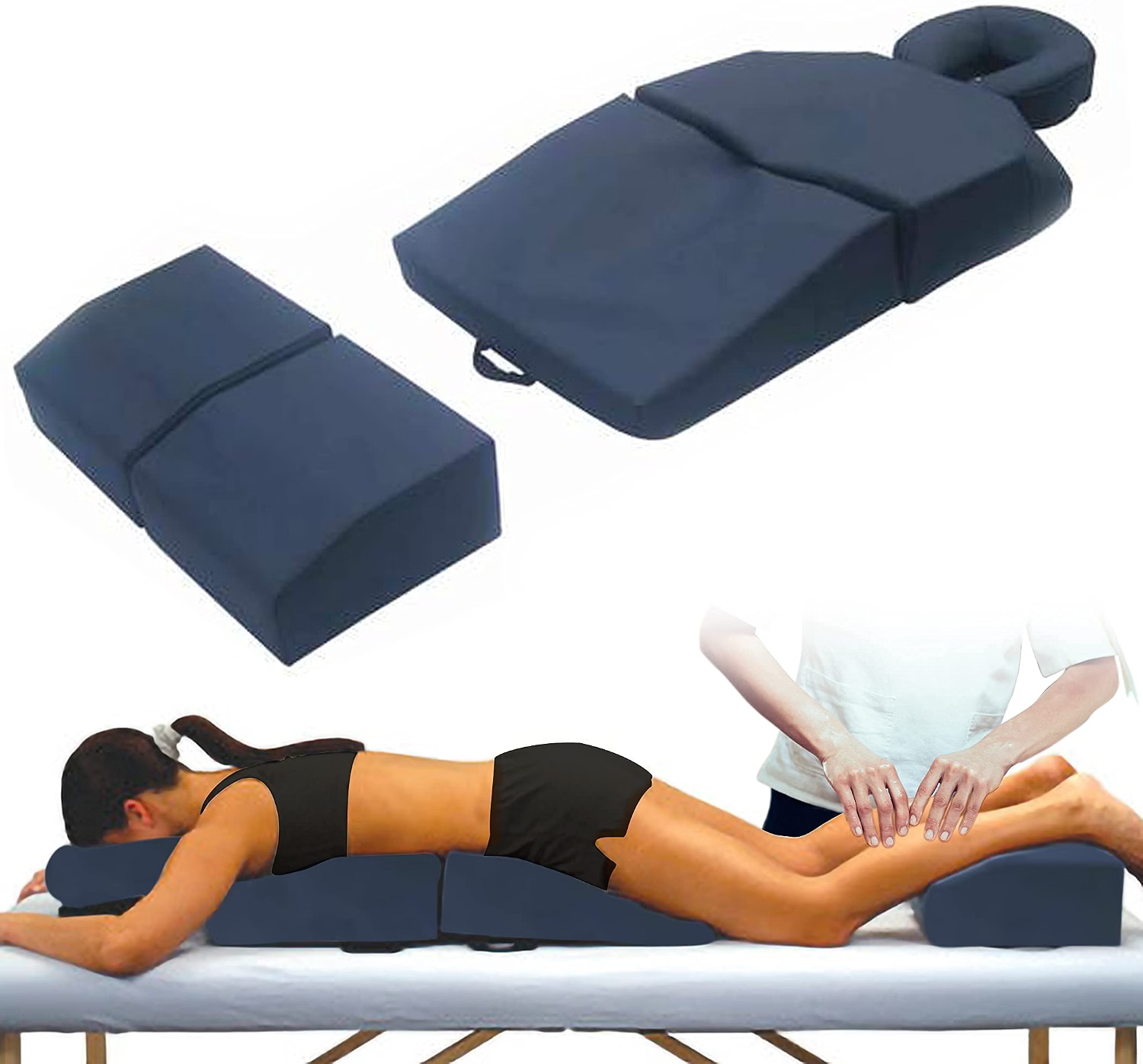
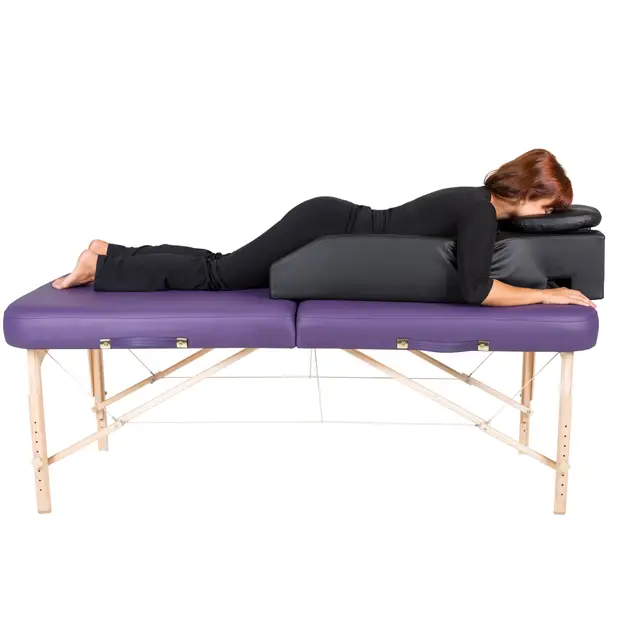
Before the session begins, the therapist reviews your stage of pregnancy or how far along you are in postpartum recovery, along with any medical concerns your care provider has noted. Positioning is set up with pillows and bolsters on the table to keep you supported and comfortable throughout. Work focuses on the upper back, neck, legs, and hips, with pressure calibrated to what is appropriate for your body at that point. Sessions are available from 30 to 90 minutes and are a self-pay service.
Arrange a consultation with DCS Therapeutic Massage to discuss your current stage and what the session would involve.
Our Pregnancy Bolsters

How Pre/Post Natal Massage Is Done Correctly
Positioning is the central technical consideration that separates appropriate prenatal massage from standard table work. A therapist working with a pregnant client cannot simply place them face-down; the bolster and pillow setup must support the abdomen, take pressure off the lower back, and allow the hips to rest in a neutral position. The therapist's intake review before the session is not a formality—it determines how the table is configured, which areas receive direct work, and where pressure is reduced or avoided entirely based on trimester and any documented concerns.
After the session, clients typically notice that the tightness across the upper back and the pulling sensation through the hips feel less acute. Tension in the lower back, which often develops as the body's center of gravity shifts during pregnancy, tends to feel more manageable once the surrounding musculature has been addressed. For postnatal clients, work on neck and upper back tension from nursing positions or infant carrying is often where the most immediate relief registers.
Because the session length is flexible—from 30 minutes to 90 minutes—clients can choose a duration that fits both their physical tolerance and their schedule. Postnatal sessions follow the same intake process and are adjusted to reflect recovery status rather than pregnancy stage, so the framework changes even though the positioning tools remain similar.
Answers About How the Work Is Done
The following questions address how prenatal and postnatal massage sessions are structured and what the therapist takes into account when working with pregnant or recently postpartum clients.
How does the therapist position a pregnant client on the massage table?
Pillows and bolsters are arranged to support the abdomen and allow the hips to rest without compression, with positioning adjusted based on trimester so that the setup is appropriate for where you are in the pregnancy.
What areas of the body does prenatal massage focus on?
Work concentrates on the upper back, neck, hips, and legs—areas where tension accumulates as posture and load-bearing shift during pregnancy—while avoiding specific points that are contraindicated in prenatal work.
When in the postnatal period is massage appropriate to begin?
Your care provider's guidance on physical activity applies here; the therapist will review any medical notes or instructions before the session and will adjust pressure and positioning to match your recovery status at the time of the appointment.
Why does hip and pelvic tension increase during pregnancy and how does massage address it?
As the pelvis shifts to accommodate the growing uterus, the surrounding hip flexors and gluteal muscles work harder to maintain stability, which leads to tightening; the therapist works these areas with sustained pressure to reduce that accumulated tension in the muscle tissue itself.
What should you tell the therapist before a prenatal massage session in Yakima?
Let the therapist know your current trimester or weeks postpartum, any complications your provider has flagged, whether you have pelvic girdle pain, and any areas that have been particularly uncomfortable—this information directly shapes how the session is structured.
DCS Therapeutic Massage also provides Pre/Post Natal massage in Union Gap, Selah, Moxee, Wapato, and West Valley. Call (509) 453-1420 to speak with DCS Therapeutic Massage about your stage and what a session would look like for you.