
Warmth-Based Bodywork That Goes Beyond Standard Massage
Hot stone massage in Yakima for clients seeking warmth-integrated bodywork to ease the feeling of muscle tension and support deep relaxation
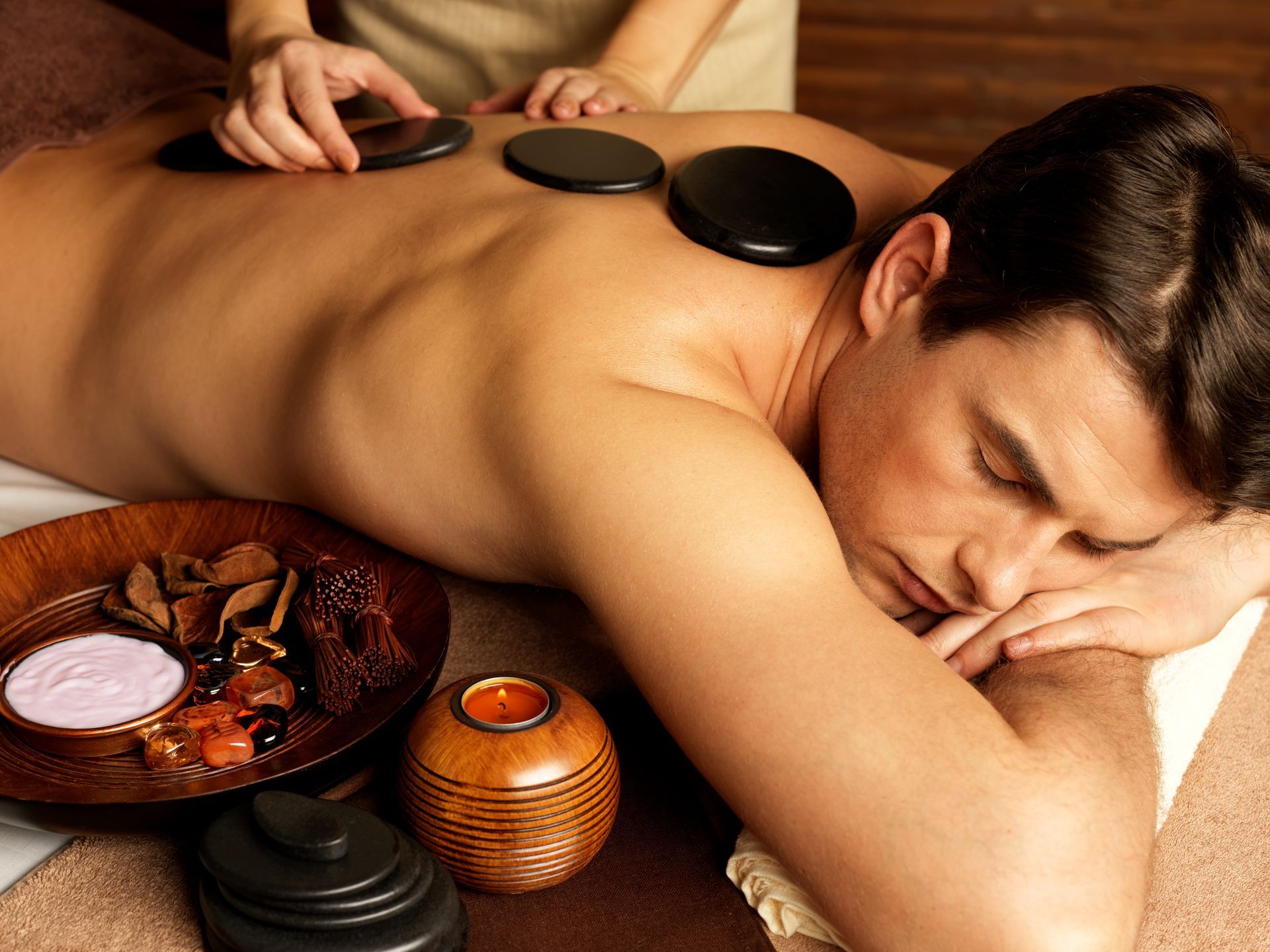
What changes during a hot stone massage that doesn't happen in a standard session is the way warmth affects tissue before and while pressure is applied — muscle that has been warmed responds differently under a therapist's hands than cold or neutral tissue does. DCS Therapeutic Massage incorporates heated stones into massage care in Yakima, working them into sessions according to the therapist's approach and the individual client's needs and comfort. For clients who carry persistent tension that resists conventional technique alone, the addition of warmth to the work often shifts what's possible during a single session.
Before stones are introduced, the therapist confirms that hot stone treatment is appropriate for the client. Clients should disclose circulation concerns, reduced heat sensation in any area of the body, skin sensitivities, or any medical conditions that could affect how the body tolerates sustained warmth. These details are not optional disclosures — they directly shape how the therapist structures the session and where stones are and are not placed.
To find out whether hot stone massage is available as a standalone booking or as part of a broader massage appointment, connect with DCS Therapeutic Massage and ask about current session options.
What Proper Hot Stone Application Requires
Stones used in therapeutic massage are heated to a controlled temperature and assessed by the therapist before contact with the client's skin. A stone that is too hot or applied without an appropriate barrier causes discomfort rather than the intended therapeutic effect, so the therapist monitors stone temperature throughout the session and adjusts placement duration accordingly. Stones may be placed on specific areas of the body, used actively as a massage tool, or both — the specific approach depends on what the therapist determines is most useful for the client's presenting concerns.
After a session that incorporates hot stones, clients commonly notice that areas of muscle tightness feel more yielding and that the overall sense of holding or bracing in the body is reduced compared to how they arrived. The warmth introduced during the session lingers briefly, and many clients report that the relaxation response during a hot stone session feels more complete than with pressure alone.
Clients should plan to rest or avoid strenuous activity immediately after a hot stone session, as the body's response to sustained warmth and therapeutic pressure combined often produces a more pronounced relaxation effect than either alone. Communicating openly with the therapist during the session about stone temperature and placement comfort ensures the work stays in a productive range throughout.
Common Questions About This Service
Hot stone massage involves considerations that don't arise in a standard pressure-based session. The questions below address what clients want to understand before their appointment.
How are the stones heated and how does the therapist confirm they are safe to use on skin?
Stones are heated in water at a controlled temperature using a professional stone heater. Before placement or use, the therapist tests each stone against their own skin to confirm it is within a comfortable and safe range for the client — stones that are too hot are set aside to cool before use.
What types of stones are used and why does stone material matter?
Basalt is the most common stone used in therapeutic hot stone massage because its density allows it to retain heat effectively over the duration of a session. Stones that lose heat quickly require more frequent replacement and disrupt the continuity of the work.
How does the therapist decide where to place stones during the session?
Placement is guided by the areas of tension or restriction the client describes during intake combined with the therapist's hands-on assessment. Common placement areas include along the spine, on the shoulders, and in the palms, but placement is adjusted to suit the individual client's anatomy and comfort.
When is a hot stone session not appropriate, even for a client in Yakima who has received massage before?
Clients with certain cardiovascular conditions, neuropathy or reduced heat sensation, active skin inflammation, or pregnancy should discuss those factors with the therapist before a hot stone session is confirmed. Prior massage experience doesn't automatically make hot stone appropriate for every client.
How should a client prepare for a hot stone massage appointment?
Arriving well-hydrated, avoiding heavy meals immediately before the session, and wearing or bringing clothing easy to change out of and into all contribute to a more comfortable experience. Clients should also plan their schedule to allow for some rest time after, rather than returning immediately to physically demanding activity.
DCS Therapeutic Massage also provides hot stone massage to clients in Union Gap, Selah, Moxee, Wapato, and West Valley. To learn more about how hot stone work is incorporated into a session, speak directly with DCS Therapeutic Massage about your current needs and what format best fits your situation.