Controlled Stroke Technique for Deep Muscle Work
Gua Sha therapy in Yakima for clients seeking targeted bodywork to address muscle tightness and tissue restriction
Muscle tightness that builds gradually over weeks of physical demands or sustained posture rarely releases through rest alone. DCS Therapeutic Massage offers Gua Sha therapy in Yakima as a method of applying firm, directed strokes to the surface of the skin using a smooth-edged tool — an approach that differs structurally from pressure-based massage and addresses tissue restriction in a distinct way. This page covers therapeutic body Gua Sha, not the facial skincare treatments that carry the same name in cosmetic contexts; the two share a name but differ significantly in technique, intent, and application.
Before a Gua Sha session proceeds, the therapist determines whether the technique is appropriate for the client's specific situation. That evaluation draws on the client's health history, current medications, any known skin sensitivities, and the particular areas of concern the client brings to the session. Adjustments to stroke pressure, tool selection, and treatment area are made based on that information and on the client's comfort and feedback throughout.
Schedule a session with DCS Therapeutic Massage to have your bodywork needs evaluated and to confirm whether Gua Sha fits your treatment goals.
What Gua Sha Addresses and How It Works
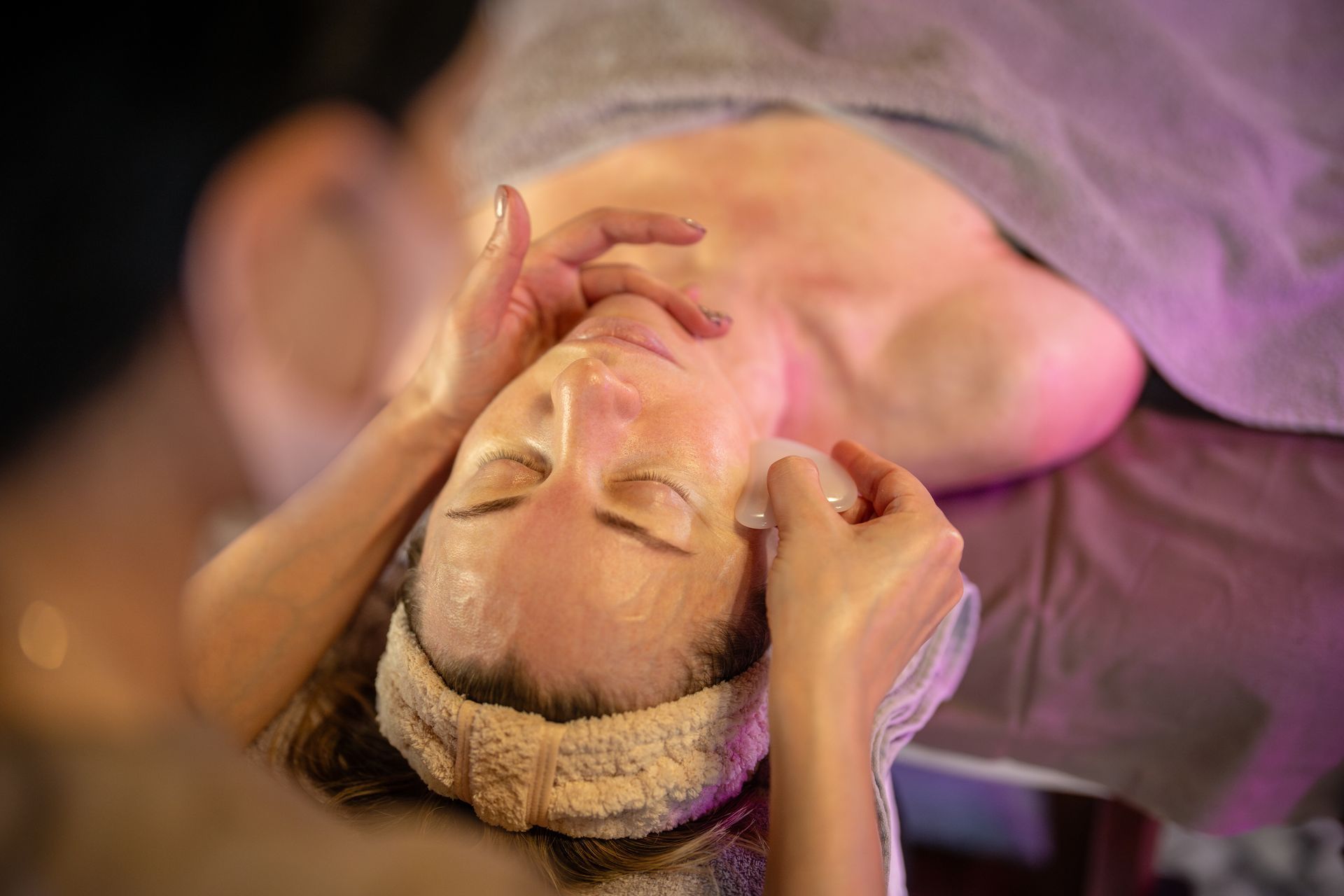
The Gua Sha technique involves applying a smooth-edged tool to oiled or otherwise prepared skin and moving it in deliberate strokes across the muscle or tissue being addressed. The direction, pressure, and pace of those strokes are adjusted by the therapist based on how the tissue responds and how the client tolerates the sensation. Because the strokes draw increased circulation toward the surface layer, a temporary reddening of the skin — sometimes called petechiae — often appears in treated areas. This response is expected, typically resolves within a few days, and is one indicator that the technique is engaging the tissue as intended.
Clients often notice that areas worked with Gua Sha feel less congested and more mobile after treatment. Spots that previously had a dense, bound quality — where pressing with a fingertip produced significant resistance — may feel more uniform and less reactive in the days following a session. DCS Therapeutic Massage integrates Gua Sha into a broader appointment framework rather than treating it as a separate, isolated procedure, which allows the therapist to combine it with other techniques where appropriate.
Clients with active skin conditions, broken skin, recent sunburn, or specific circulatory concerns should disclose those details during intake, as they affect whether Gua Sha can be applied and how. The technique is adapted to the individual, not applied uniformly, and the therapist's in-session adjustments reflect that the goal is targeted work rather than a standardized protocol.
Answers About How the Work Is Done
Body Gua Sha raises several practical questions that are worth addressing before a first appointment, particularly because the technique is less familiar than standard massage to many clients.
What does the Gua Sha tool look like and how is it used?
The tool is typically a flat, smooth-edged instrument — often made of stone, horn, or a synthetic material — held at an angle against the skin and drawn in directional strokes. The angle and pressure applied depend on the tissue being addressed and the client's feedback during the session.
How is therapeutic body Gua Sha different from the Gua Sha seen in facial skincare content?
Facial Gua Sha uses light, sculpting strokes intended for cosmetic circulation effects on delicate skin. Therapeutic body Gua Sha uses firmer, sustained strokes on muscular tissue to address restriction and tension — the intent, tool, pressure, and target tissue are fundamentally different.
Why does skin redness appear after Gua Sha, and is it a problem?
The redness is a normal circulatory response to the technique, not a sign of injury. It typically resolves within two to four days. Clients who find the discoloration concerns them for social or professional reasons should factor that into their session timing.
How does the therapist adjust Gua Sha for clients in Yakima who have significant tissue sensitivity?
The therapist modifies stroke pressure, the number of passes over a given area, and the portion of the treatment time allocated to Gua Sha based on real-time feedback. Clients are encouraged to communicate any discomfort clearly, as the technique is adapted throughout.
What areas of the body is Gua Sha most commonly applied to in a therapeutic context?
The upper back, shoulders, neck base, and the muscle groups along the spine are among the most common treatment areas, though application depends on where the client is experiencing tension and what the therapist identifies during evaluation.
DCS Therapeutic Massage also provides Gua Sha therapy to clients in Union Gap, Selah, Moxee, Wapato, and West Valley. To discuss whether Gua Sha is a good fit for your current concerns, connect directly with DCS Therapeutic Massage and describe what you've been experiencing.